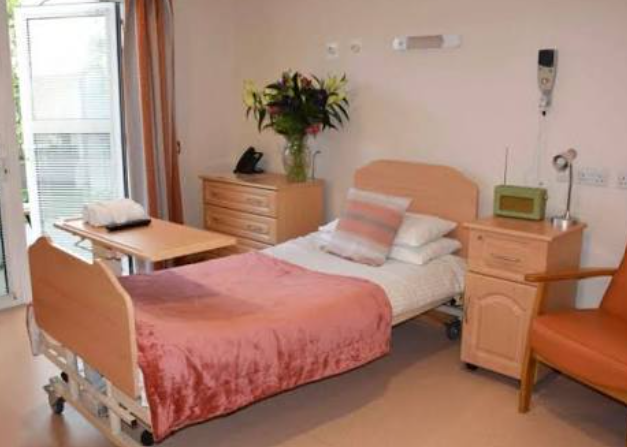
When an older person is living at home and their care needs increase, families may need additional support or a temporary break from providing care. One option that may be available is a short-term respite stay in a nursing home or other residential care setting.
However, accessing a respite bed can be challenging, particularly where demand for available beds exceeds supply. Families are often unsure about how to apply, who to contact and what alternatives are available if an HSE-funded bed cannot be secured.
What is a respite bed?
Residential respite care involves a short stay in a nursing home, community nursing unit or other residential care setting.
The purpose of a respite stay is to provide temporary care for an older person while giving their family carer or carers a break. The length of stay can vary depending on the person’s needs and the availability of suitable accommodation.
A respite stay may also sometimes be useful where an older person’s needs have increased significantly or following a period of illness or hospitalisation.
How do you access an HSE-funded respite bed?
For an older person who is currently living at home and receiving HSE Home Support, the usual route to accessing an HSE-funded respite bed is through their Public Health Nurse (PHN).
If the person’s needs have increased significantly since their original assessment, a family member should contact the PHN by telephone or email, explain the change in circumstances and ask that the person be considered for a respite stay.
It can be important to follow up regularly. Demand for respite beds can be high, and families may need to be persistent in pursuing their request. Following up a telephone conversation with an email can also be helpful in ensuring that there is a clear record of the request.
Unfortunately, the process is not always transparent. Families may not know exactly how long the waiting list is or where their relative is positioned in the queue. For this reason, it is sensible to maintain regular contact with the PHN or relevant community healthcare team.
Being flexible about the location of a respite bed
When an HSE-funded respite bed becomes available, families may have limited choice regarding its location.
Depending on availability, a bed may be offered in a nursing home or residential facility that would not necessarily be the family’s first preference. In many cases, it may be necessary to decide whether to accept the available placement rather than waiting for a bed in a particular nursing home or location.
For families who urgently need a break from their caring responsibilities, being flexible about location can significantly improve the chances of securing a respite stay.
Can hospitalisation make it easier to access a respite bed?
If an older person is admitted to hospital, the discharge planning process may sometimes identify a need for temporary residential care before the person returns home.
In some circumstances, it may be easier to arrange a period of respite or other temporary care as part of the process of discharging a patient from an acute hospital bed.
However, this will depend on the individual’s medical condition, care needs and the availability of appropriate services. Families should discuss the person’s circumstances with the hospital discharge team, medical social worker or other relevant healthcare professionals.
Are respite beds funded by the HSE?
The HSE provides and funds some respite services for older people. Residential respite may be available in HSE facilities, voluntary organisations or private nursing homes that have arrangements with the HSE.
However, availability varies considerably between different parts of Ireland. Access depends on the individual’s assessed needs and, importantly, the availability of a suitable bed.
Demand for respite care often exceeds the number of beds available. As a result, families may experience significant delays and should begin exploring their options as early as possible.
Is respite care covered by the Fair Deal scheme?
No. This is an important distinction.
The Fair Deal scheme, formally known as the Nursing Homes Support Scheme, provides financial support towards the cost of long-term nursing home care.
It does not generally cover short-term care, including a privately arranged respite stay.
This means that a person does not need to apply for Fair Deal in order to enquire about HSE-funded respite services. Equally, having Fair Deal approval does not necessarily mean that short-term respite care will automatically be funded.
What if an HSE-funded respite bed is not available?
An alternative to waiting for an HSE-funded bed is to arrange and pay for a respite stay privately in a nursing home.
Some private nursing homes have a number of beds that are regularly allocated to short-term respite care. However, these beds can also be in high demand, and availability may be limited.
Private nursing home respite can also be expensive, particularly where a stay is required for several weeks. Families considering this option should obtain a clear quotation from the nursing home covering the full cost of the proposed stay.
Depending on the circumstances and the applicable Revenue rules, tax relief may be available on qualifying nursing home and care expenses. The person paying for the care, including potentially a family member in certain circumstances, should check their eligibility for tax relief with Revenue or a qualified tax adviser.
Nursing homes in South Dublin that families may wish to contact
Families seeking a privately funded respite stay in South Dublin may wish to contact local nursing homes directly to ask about short-term respite availability.
Some nursing homes to try include:
- Belmont House Nursing Home — Blackrock
- Newtownpark House Nursing Home — Blackrock
- The Fern Dean — Deansgrange
- Foxrock Nursing Home — Dublin 18
- The Four Ferns — Foxrock
- Annabeg Nursing Home — Loughlinstown
Availability, the type of care offered and the length of stay accepted can vary between nursing homes. It is therefore advisable to contact several providers rather than relying on a single option.
Respite care at home
Residential respite is not the only option for families who need additional support.
For some older people, remaining in their own home may be preferable to a temporary move into a nursing home. Additional homecare can provide support while allowing the person’s regular family carer to take a holiday, attend to other responsibilities or simply take a break from their caring role.
Depending on individual needs, additional homecare support might include:
- Personal care
- Preparing meals
- Assistance with daily routines
- Medication reminders
- Mobility support
- Companionship
- Overnight care
- Live-in care
Additional support can sometimes be arranged for a specific period, providing families with greater flexibility than waiting for an available residential respite bed.
How Emerald Homecare can help
At Emerald Homecare, we understand that families may need additional support when an older person’s care needs increase or when a regular family carer needs time away.
If you are unable to secure a suitable respite bed, or if you would prefer your loved one to remain in the familiarity of their own home, we can discuss options such as additional homecare visits, overnight care or live-in care.
Every situation is different, and the most appropriate option will depend on the person’s individual needs, preferences and existing care arrangements.
If you would like to discuss homecare options for yourself or a family member, contact Emerald Homecare to find out how we may be able to help.